CHI SIAMO
SOCIAL
CONTATTACI
INDIRIZZO
Rocca di Savio
P.IVA 02546350204
Via Mulino 1
46040 Solferino (MN)
Italia
©Rocca di Savio 2023
Who we are
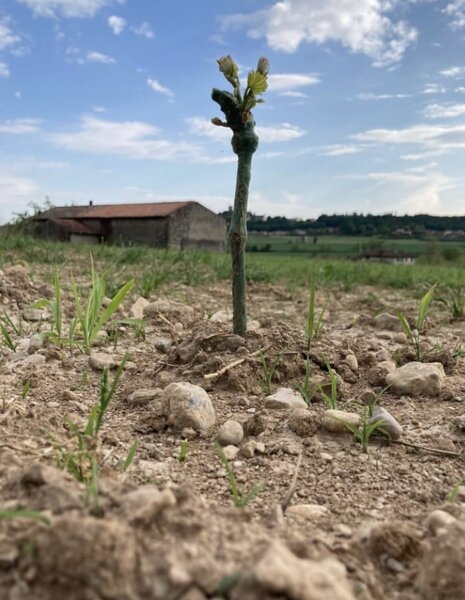
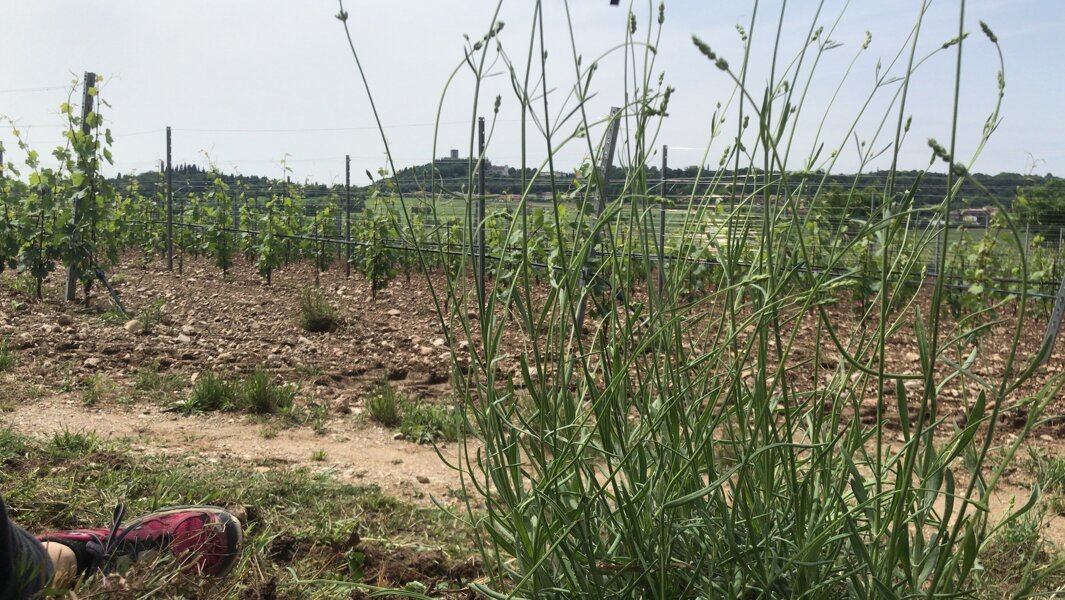
Rocca di Savio is a young company founded in solferino in 2018.
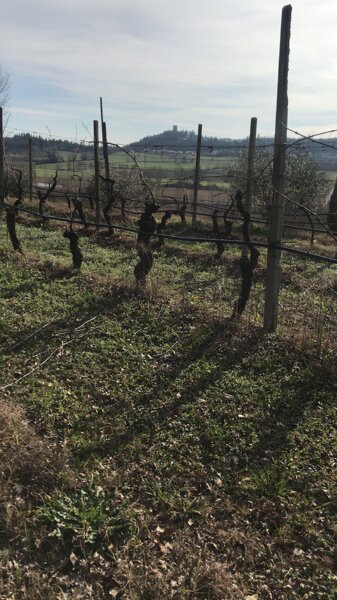
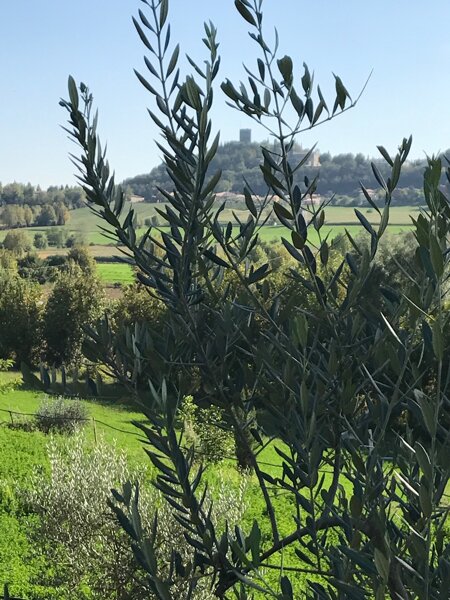
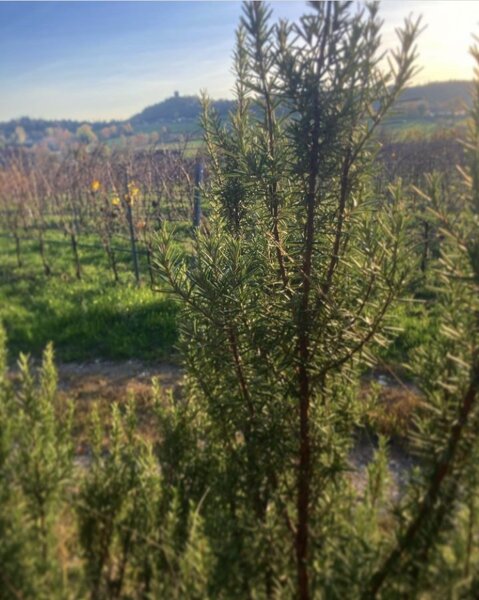
We are located in the upper Mantua, on the lake Garda, in a landscape with a beautiful historical and cultural context of international level.
Our hills, in fact, were the scene of the Italian Risorgimento and the inspiration for the birth of the red cross. The idea was born thanks to the strong bond with our territory and the love for wine.
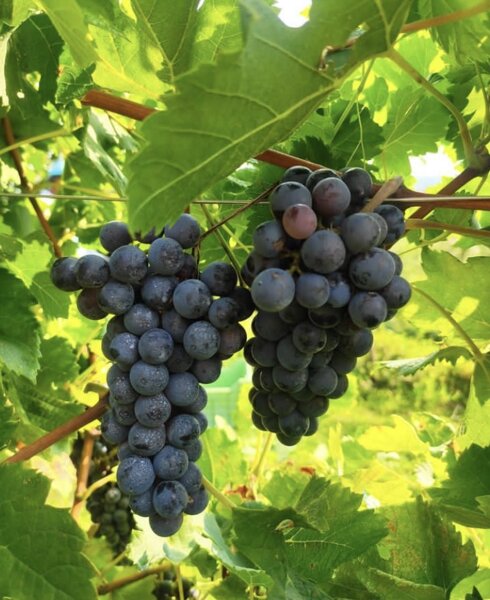
A love that has its roots in a grandfather, who led a small vineyard and handcrafted a wine he was proud of.
The name, Rocca di Savio, is a double homage:
to solferino, of which the Italian Spy (known as the fortress – Rocca in Italian) is its symbol; and to the grandfather, Vincenzo Savio, on whose land we planted the vines again with solid cultural foundations. These feelings led us to carry out research on the physical and geological conformation of our hills and to adopt a sustainable strategy for our company.
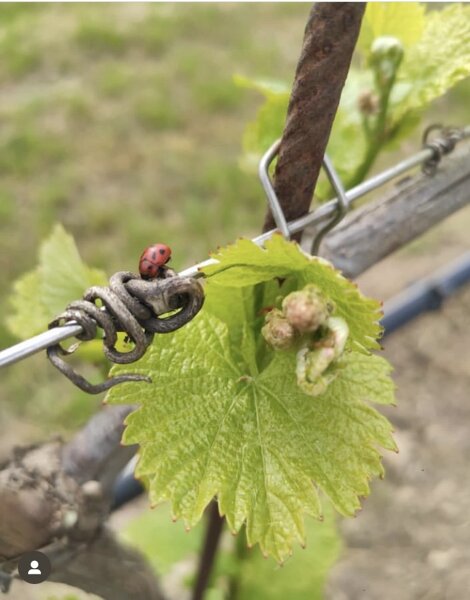
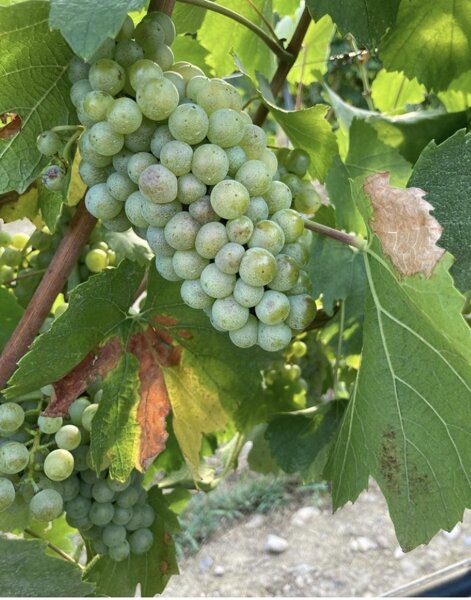
Sustainability does not only concern the wine we produce, but extends to include every single phase of processing: from the vineyard to the cellar and the packaging.
What we believe we are putting into practice among the vineyards, going against the logic of large productions to preserve the nature, biodiversity and landscape of our territory.
Our philosophy required us: in the countryside to carry out the most delicate operations manually to protect the health of the vine and grapes; in the cellar to demand the abatement of the use of chemicals.
Producing sustainable wine is not easy, it leads to continuous research with many sacrifices, but we believe that the result is worth it.
We strongly believe that if you can dream it, you can drink it and we will continue to do that.
Our Wines
LOY
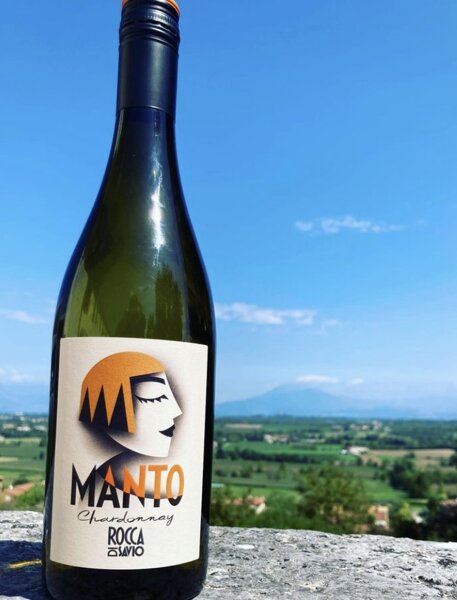
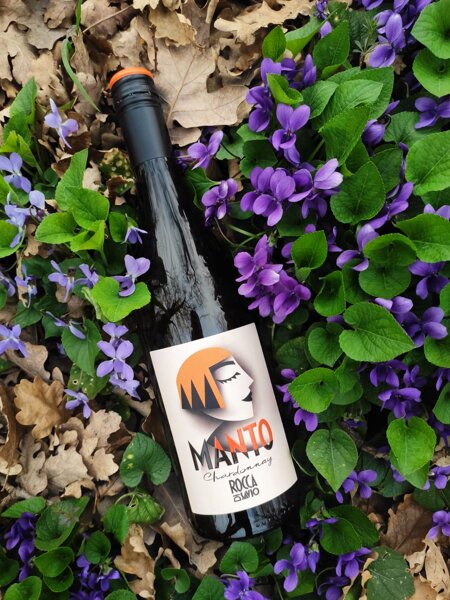
MANTO
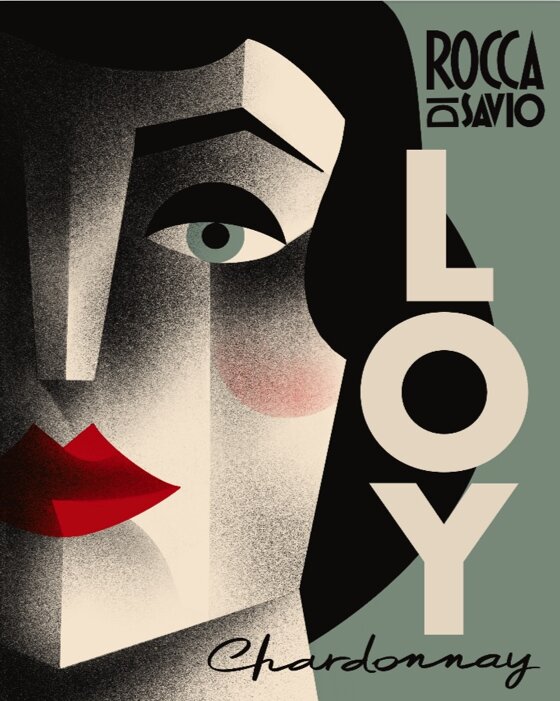
The name and the image showing are dedicated to Mina Loy, poet, artist and feminist of the early ‘900, who was able to open new doors for women and make them feel free.
She was born in London on 27/12/1882. She traveled the world, even the new one, and in 1914 in the city of Firenze she wrote the Feminist Manifesto. It goes against the subordinate position of the women in the society and it was published only after her death.
She was a beautiful, strong and controversial woman who lived her life following art, freedom and her dreams.
Reading her work means moving around all the artistic movements of the ‘900, the doubled-faced century: on one hand the historical tragedies of the century, on the other hand, the civil, economic, scientific and social accomplishments of the century.
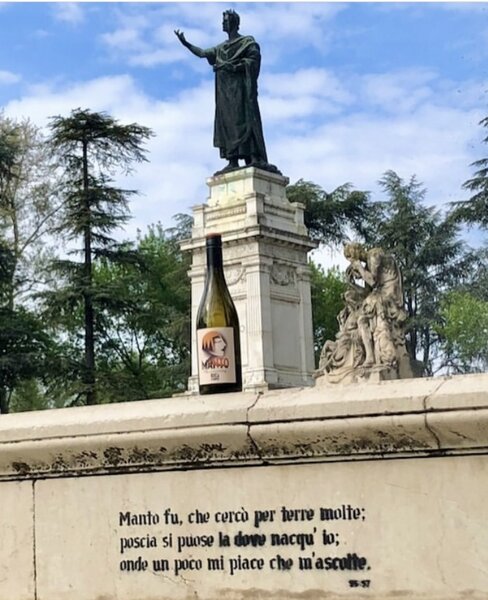
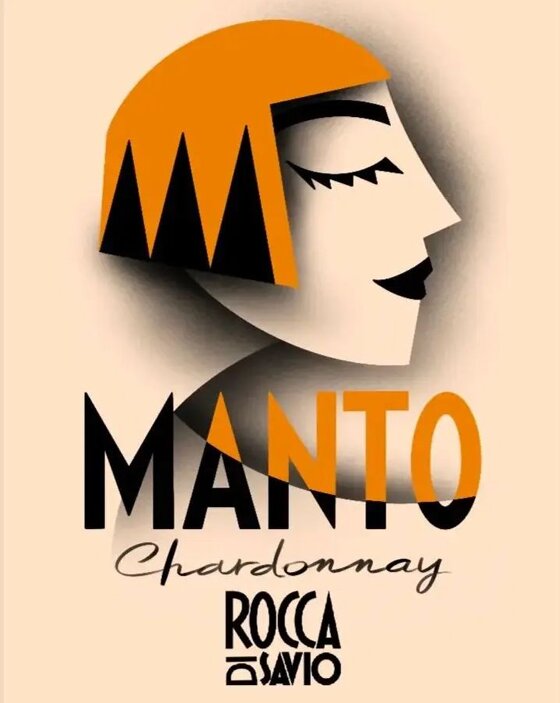
The image shown is a symbolic representation of Manto. The myth about the foundation of Mantova finds its place in the Divina Commedia by Dante Alighieri in the XX Canto of the first part, the Hell, in which Dante and Virgilio, his guide, meet the soothsayers.
While indicating one of these souls, Virgilio describes the surroundings of the city, the Lake Garda and even the course of the Mincio’s river. He then states, referring to the fortune teller Manto’s legend: “Fer la città sovra quell'ossa morte; e per colei che 'l loco prima elesse, Mantüa l'appellar sanz'altra sorte.”
(Dante Alighieri, Inferno XX, 90)
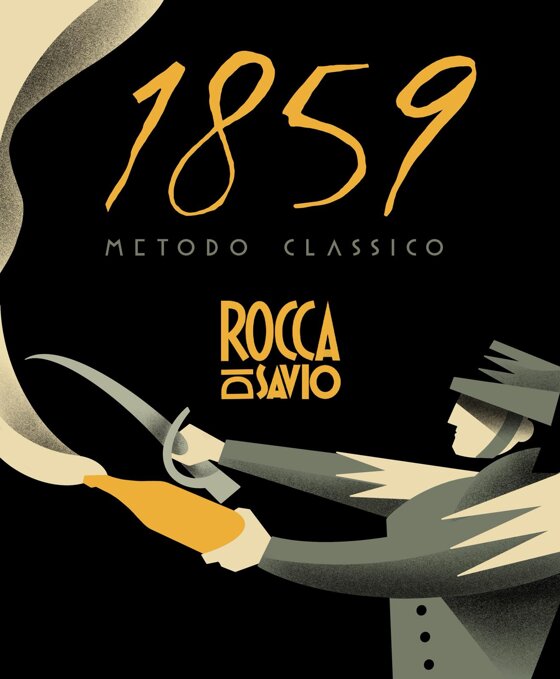
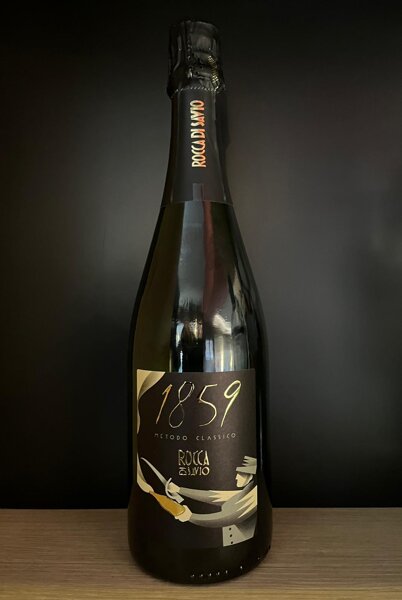
1859
ROSSO RUMORE
24th June 1859:
This is the date of the battle between Solferino and San Martino, one of the cruelest ones of the 19th century. We are in Lombardia, in the south area of Garda. In this place, on the moreniche hills, the Italian French army and the Austrian army fight each other. The conquest of the hill Rocca di Solferino, or also called Spia d’Italia, is fundamental for the victory of the second independence war of Italy. It is in this horrible condition that a group of women decides to take care of the injured besides their nationality. With their courage, the Croce Rossa (red cross) Italiana was born.
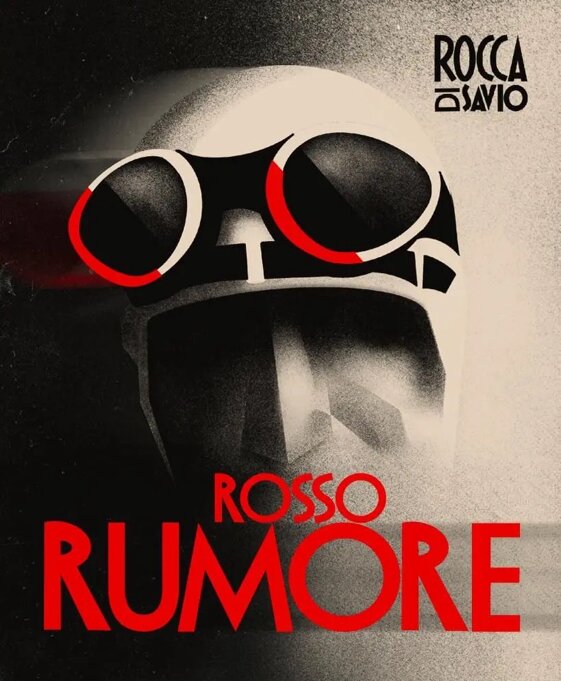
The label on the bottle represent a soldier holding a sword in the right hand, symbolizing the war, and he uses it to open a bottle of wine, symbolizing humanity and sharing with others.
The name and the label are dedicated to the speed, a myth that is cultivated by the early XX century’s Italy and its futurism that connects the speed to race, movements and machines.
Luigi Russolo, an exponent of art, futuristic music and signatory of the manifesto “the Art of Noise”, claims:
“The ancient life was full of silence. In the XX century, with the car’s invention, the noise was born”.
The “Vroom” sound, as the roar of a car.
The “Glu glu” sound, as a wine that wants to be drinked.
The “Bla bla” sound, as a chatted wine.
The “Gloup” sound, as a wine that amazed its drinker with every sip.
WHO WE ARE
SOCIAL
CONTACTS
ADDRESS
Rocca di Savio
P.IVA 02546350204
Via Mulino 1
46040 Solferino (MN)
Italia
©Rocca di Savio 2023